

Chain link fencing is one of the most versatile and cost-effective options for homeowners, businesses, and various property owners. Whether you are looking to secure your boundaries, enhance privacy, or create defined spaces, chain link fences provide a durable solution that balances affordability and functionality. In this guide, we’ll explore important factors to consider when choosing the right chain link fence and the steps for proper installation.
Why Choose Chain Link Fencing?
- Cost-Effectiveness: Compared to other fencing materials like wood or wrought iron, chain link fences are relatively inexpensive while still offering excellent durability.
- Low Maintenance: These fences require minimal upkeep. Regular cleaning and occasional tightening of loose ties are often sufficient.
- Durability: Made from galvanized steel or coated with vinyl, chain link fences are resistant to rust and corrosion.
- Versatility: Suitable for residential properties, sports complexes, industrial sites, or community spaces.
- Security Benefits: Chain link fencing provides robust security without obstructing visibility.
Factors to Consider When Choosing a Chain Link Fence
| Factor | Description |
| Fence Height | Common heights range from 4 feet (residential) to 12 feet (industrial). Taller fences enhance security. |
| Wire Gauge | A lower gauge number indicates thicker wire (e.g., 9-gauge is thicker than 11-gauge). Choose based on strength preferences. |
| Coating Options | Galvanized (silver finish) or vinyl-coated in various colors like black or green for added aesthetic appeal. |
| Mesh Size | Standard mesh opening sizes range from 1-inch to 2-inch gaps; smaller openings offer higher security. |
| Purpose of Use | Define whether it’s for securing pets/kids, marking property lines, enclosing gardens/pools, etc. |
Steps for Installing a Chain Link Fence
- Measure the perimeter where you plan to install the fence.
- Mark corner points with stakes and use strings to establish straight lines.
- Research local building codes that regulate fence height/materials.
- Identify underground utility lines before digging post holes.
- Gather Necessary Supplies Some tools you’ll need include:
- Fence posts
- Concrete mix
- Pliers
- Post hole digger
- Stretching bar
- Dig holes at least one-third of each post’s length deep.
- Ensure spacing between posts aligns with fence panel dimensions (typically 8–10 feet).
- Insert corner posts into holes and fill them with concrete mix.
- Use a leveler tool to ensure posts are upright before allowing them to set.
- Place tension bands around each end post at even intervals.
- Attach top rails along all line posts for structural support.
- Secure one end of the fabric roll onto an end post using tension bars/clamps.
- Stretch the fabric taut across line posts before fastening it securely.
- Fasten Ties & Clips Attach wire ties at regular intervals along each post/rail frame to hold the mesh in place snugly.
- Inspect Workmanship Double-check all connections/tensions throughout; adjust as needed before calling it complete.
Benefits of a Properly Installed Chain Link Fence
Once installed correctly: – Your property gains long-lasting protection against intruders without compromising visibility. – Maintenance demands remain minimal over time due largely in part due its weather-resistant nature.
Essential Tips for Fence Repair Gainesville FL: How to Restore and Maintain Your Fence
Installing a chain link fence can enhance your property’s security, privacy, and aesthetic appeal. By following these essential steps, you can ensure a successful installation that will last for years. Below is a step-by-step guide to help you navigate the process effectively.
1. Plan and Measure Your Fence Layout
- Start by identifying the areas where the fence will be installed. Clearly mark the boundaries using stakes and string.
- Measure the perimeter to calculate the required length of the fencing material.
- Determine gate locations and account for additional materials needed for gate installation.
2. Check Local Regulations and Obtain Permits
- Before beginning, review local zoning laws and homeowner association (HOA) rules that may affect your project.
- Secure any permits required for installing fencing on your property.
3. Gather Necessary Tools and Materials
Tools:
– Post hole digger or auger
– Level
– Tape measure
– Wrenches or pliers
– String line
Materials:
| Item | Purpose | Suggested Quantity | |————————–|———————————————|———————————–| | Fence posts | Support structure | Based on fence length | | Chain link fabric | Main fencing material | Length equal to perimeter | | Top rails | Horizontal support | One per section of fence | | Tension bars | Reinforce strength at corners/end points | Two per terminal post | | Tie wires/clips | Secure fabric to rails/posts | As needed |
4. Mark Post Locations and Dig Holes
Use your measurements to mark post locations with spray paint or flags, ensuring equal spacing between posts (typically 6–10 feet apart). Dig holes deep enough for stability—approximately one-third of each post’s total height.
5. Set Posts in Concrete
Secure terminal, corner, and intermediate posts in concrete footing:
1. Place each post into its designated hole. 2. Fill with mixed concrete up to ground level. 3. Use a level to verify vertical alignment before allowing the concrete to cure.
6. Install Top Rails
Once the posts are stable, attach top rails securely across all sections of your fence using brackets or clamps.
7. Attach Chain Link Fabric
Unroll the chain link fabric along your designated layout:
– Begin at one terminal post by securing it with tension bars and bands. – Stretch the fabric tightly using a come-along tool or tensioning device before attaching it to subsequent posts.
8. Add Tension Wires
For additional stability at both top and bottom edges of the fabric, thread tension wires through loops in the mesh.
9. Finalize Gate Installation
Install gates according to manufacturer instructions, ensuring proper alignment with surrounding fencing materials.
By following these nine steps with precision and care, you can achieve a professional-quality chain link fence installation suitable for any residential or commercial property needs.
9 Key Steps to Successfully Install a Chain Link Fence on Your Property
Installing a chain link fence on your property may seem complex, but with proper planning and step-by-step guidance, it becomes a manageable and rewarding task. Here are the nine key steps you need to follow to ensure the successful installation of your chain link fence.
1. Assess Your Property and Plan the Layout
Before starting, carefully assess your property: – Measure the area where you want to install the fence. – Identify property boundaries to avoid disputes. – Mark utility lines and confirm any local regulations or permits required for fencing projects.
Use stakes and string to outline the perimeter of your fence. This will help visualize its placement before beginning.
2. Gather Necessary Tools and Materials
To install a chain link fence efficiently, you’ll require specific tools and supplies, including: – Post hole digger or auger
– Concrete mix for securing posts
– Fence posts (line posts, corner posts, terminal posts)
– Chain link mesh roll
– Tension bars and bands
– Wire ties or clips
Consider creating a checklist before purchasing supplies to ensure nothing is overlooked.
3. Mark Post Locations
Using your layout plan, mark locations for all posts: – Corner posts should be placed first as they anchor the entire structure. – Space line posts evenly according to your chain link mesh specifications (typically 6–10 feet apart).
This step ensures accurate alignment during installation.
4. Dig Post Holes
Use a post hole digger or power auger to create holes for each post: | Post Type | Hole Depth | Hole Width | |——————|————————|————————-| | Corner/End Posts | At least 24–36 inches deep | Approximately 8–12 inches wide | | Line Posts | Slightly less deep than corner/end posts | Similar width as above |
Ensure that holes are dug below frost depth in colder climates for stability.
5. Set Posts in Concrete
Place each post into its respective hole and fill with concrete mix: 1. Position corner/end posts first and allow them to set completely before proceeding. 2. Confirm vertical alignment using a level. 3. For line posts, allow flexibility by adding gravel at their base before pouring concrete.
Wait at least 24 hours for concrete to cure before continuing work.
6. Attach Tension Bands and Rails
Once the terminal (corner) posts are firmly set: 1. Slide tension bands onto each corner post at calculated intervals where fencing will attach. 2. Install top rails between all connected corner and line posts for added support.
Secure rails tightly using brackets or clamps provided in most fencing kits.
7. Unroll Chain Link Mesh
Carefully unroll the chain link mesh along the length of your fence: – Begin attaching one end of the mesh roll securely with tension bars. – Gradually stretch it across sections while maintaining tautness throughout.
Using pliers can help grip edges more effectively when pulling mesh into place.
8. Secure Fencing Material
Fasten chain link fabric securely at multiple points: 1. Use wire ties around both top rails & line-post hooks every few feet. 2. Clip excess lengths neatly after attachments are made uniform across sections.
This ensures durability even under weather conditions like high winds or heavy snow loads over time.
9. Inspect Final Installation
After completing attachment processes: – Walk along all sides inspecting structural integrity systematically. Some areas worth double-checking include corners’ tightness levels alignment near gates/entry points joined properly w/o gaps/errorsrupted areas if needed trimming blunt/sharp protrusions
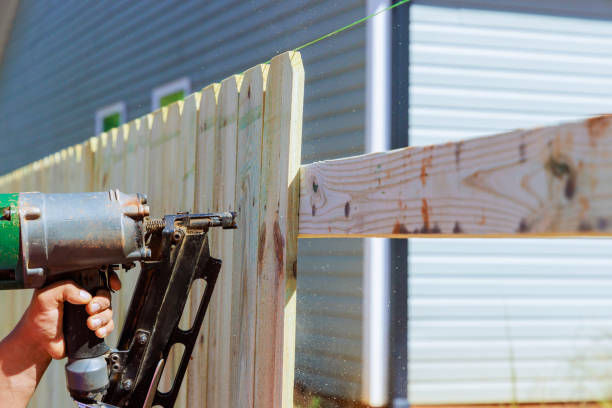
Essential Supplies and Tools for Installing a Chain Link Fence with a Fence Company Gainesville FL
When preparing to install a chain link fence on your property, having the right supplies and tools is critical for an efficient, hassle-free process. Proper preparation ensures a successful outcome and minimizes delays. Below is a detailed guide to the supplies and tools you’ll need along with their purpose.
Essential Supplies
- This is the main material used for the fence. It comes in rolls of various heights and gauges depending on your specific needs.
- Popular options include galvanized steel or vinyl-coated fabric for added durability and weather resistance.
- Terminal Posts: Installed at corners, ends, or gate openings for added stability.
- Line Posts: Spaced evenly between terminal posts to support the chain link fabric.
- Provides structural integrity by connecting all posts along the top of the fence.
- Used to attach the chain link fabric to terminal posts while keeping it taut.
- Secure tension bars to posts, ensuring that fabric remains tight over time.
- Used to anchor the chain link fabric securely to line posts and top rails.
- Essential for anchoring fence posts firmly into the ground.
- Includes hinges, latches, and frames if you plan to include access points in your fencing system.
Tools Required
- For digging holes where terminal and line posts will be set into the ground.
- Ensures precise spacing between posts for uniformity throughout the fence installation process.
- Guarantees that all vertical posts are plumb (perfectly upright) during installation.
- Helps achieve proper tension when attaching chain link fabric to your framework.
- For cutting tie wires or trimming excess materials.
- Ensures bolts, nuts, and other hardware are securely tightened during assembly.
- Mallet or Hammer
– For securing post caps or lightly pounding materials into place without causing damage. - Chalk Line/String Line & Stakes – Helps mark straight lines for accurate alignment when installing fences over large areas of land.
Suggested Checklist Before You Begin
| Supplies | Quantity/Check |
| Chain Link Fabric | [ ] |
| Terminal Posts | [ ] |
| Line Posts | [ ] |
| Top Rails | [ ] |
| Tension Bars | [ ] |
| Tie Wires/Clips | [ ] |
| Concrete Mix | [ ] |
| Gate Hardware | [ ] |
Double-check each item in this list before starting your project.
Tips for Efficient Installation
- Always measure your property boundaries before purchasing supplies.
- Consider hiring equipment like post hole diggers if working on rocky terrain.
- Lay out all materials beforehand so you can work systematically without interruptions.
- Wear appropriate safety gear such as gloves and goggles while working with tools like wire cutters or augers.
How a Fencing Contractor Gainesville FL Can Boost Property Value and Improve Security
Chain link fencing is a practical and cost-effective solution for property owners looking to enhance security while improving their property’s value. Its combination of durability, affordability, and versatility makes it a popular choice for residential, commercial, and industrial applications. Below is an in-depth look at how chain link fencing positively impacts both property value and security.
Enhancing Property Value with Chain Link Fencing
- Defined Boundaries: Installing a chain link fence creates clear property lines, which can be particularly appealing to potential buyers looking for well-organized outdoor spaces.
- Low Maintenance: Unlike wood or wrought iron fences that require regular upkeep, chain link fences are resistant to rust (when coated) and require minimal maintenance over the years.
- Versatility in Design: Modern chain link fences come in various coatings (e.g., vinyl-coated options in different colors), which enhance curb appeal while maintaining the fence’s functionality.
- Cost Efficiency: Buyers appreciate properties with durable fencing solutions that do not inflate long-term ownership costs.
A durable fence can also make your property more attractive in neighborhoods where privacy or security measures are highly valued.
Increasing Security with Chain Link Fencing
- Durable Construction: Made from interwoven steel wires, chain link fences are robust enough to withstand external stress or attempts at forced entry.
- Visibility: Unlike solid fences that may obstruct the view of your yard or outdoor area, chain link fences provide transparency. This can deter intruders by eliminating hiding spots while allowing clear visibility for property owners.
- Customizable Height Options: For areas requiring higher levels of security (e.g., commercial properties), chain link fences can be customized to heights ranging from 4 feet to over 12 feet.
- Barbed wire extensions
- Privacy slats (to limit visibility)
- Gates with locking mechanisms
Cost-Benefit Comparison Table
| Feature | Chain Link Fence | Wooden Fence | Wrought Iron Fence |
| Average Cost per Foot | $7–$12 | $15–$30 | $20–$35 |
| Maintenance Frequency | Low | High | Moderate |
| Durability | High | Medium | High |
| Security Features | Easily Add-On Options | Limited Customization | Easily Add-On Options |
Final Thoughts on Value and Security
Investing in a high-quality chain link fence offers substantial advantages for both homeowners and business owners seeking practicality without sacrificing aesthetics or performance. With proper installation and optional upgrades such as privacy slats or barbed wire extensions, you can ensure increased safety while simultaneously boosting curb appeal—a win-win situation for any investment-focused property owner.
Creative Ideas to Make Your Chain Link Fence Look Classy and Stylish
Chain link fences are often chosen for their durability, affordability, and functionality. However, they are sometimes perceived as lacking visual appeal. With a little creativity, it’s possible to transform a standard chain link fence into a stylish and modern feature that enhances the aesthetic of your property. Below are some innovative ideas to make your chain link fence look more sophisticated and elegant.
Add Decorative Slats
One way to enhance the appearance of a chain link fence is by incorporating decorative slats. These slats not only add privacy but also elevate the design of the fence.
- Materials: Opt for wood, vinyl, or aluminum slats depending on your budget and desired aesthetic.
- Design Tips: Choose neutral colors such as beige or charcoal gray for an understated look or vibrant tones to create a bold statement.
Use Climbing Plants
Adding greenery can instantly make any chain link fence more attractive and blend it into its surroundings.
- Best Options: Consider fast-growing vines like ivy, jasmine, or morning glory.
- Installation: Train the plants along the fence with ties or hooks while ensuring they receive adequate sunlight and water.
| Feature | Benefit | Example Plants |
| Aesthetics | Softens industrial appearance | Ivy, Clematis |
| Eco-friendly | Improves air quality | Jasmine |
| Privacy | Adds natural screening | Honeysuckle |
Install Wooden Panels
A combination of wood and metal creates an attractive contrast that lends sophistication to chain link fences.
- Attach pre-treated wooden panels horizontally or vertically along the fence.
- Ensure proper sealing to prevent rot if using natural wood.
- Experiment with finishes—stains for a rustic look or paint for a sleek design.
Hang Outdoor Art or Accessories
Treat your chain link fence as a blank canvas by adorning it with decorative elements.
- Ideas: Metal art panels, wind chimes, or hanging flower pots can add personality.
- Pro Tip: Use weather-resistant materials to ensure durability against outdoor elements.
Add String Lights
String lights can transform your chain link fence into an eye-catching feature during evenings.
- Lighting Types: Solar-powered lights offer sustainability while LED bulbs provide consistent brightness.
- Setup Idea: Drape string lights along the top rail of the fence or weave them through its links.
Paint It Boldly
Applying paint is one of the simplest ways to refresh your chain link fence’s appearance.
- Clean the surface thoroughly before painting.
- Use rust-resistant spray paint designed specifically for metal surfaces.
- Explore colors like matte black for elegance or pastel shades for a playful touch.
| Finish Type | Look | Recommended Use |
| Matte | Sleek & modern | Minimalist designs |
| Glossy | Reflective & bold | Contemporary styles |
| Textured | Industrial yet stylish | Rustic aesthetics |
By incorporating these creative ideas, you can elevate the aesthetics of your chain link fence without compromising its functionality. Whether through greenery, decorative additions, lighting solutions, or paintwork, there’s no shortage of ways to make your fence both stylish and practical.
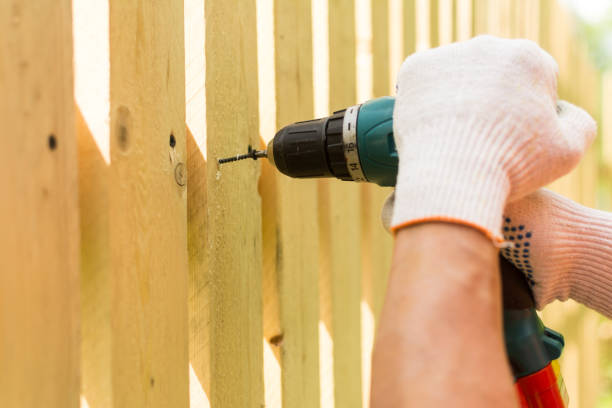
Why Chain Link Fences Are an Affordable and Effective Option for Homeowners
Chain link fences have long been a popular choice among homeowners due to their affordability, durability, and versatility. Whether you’re looking to secure your property, define boundaries, or create a safe space for children and pets, chain link fencing offers numerous advantages that make it a practical solution.
Cost-Effectiveness
- Lower Material Costs: Chain link fences are made of galvanized steel or aluminum, which are readily available materials with relatively low production costs.
- Reduced Labor Costs: The simple design makes installation quicker and easier than other types of fencing.
- Minimal Maintenance: Chain link fences require little upkeep beyond occasional cleaning or rust prevention treatments.
The affordability of chain link fencing makes it an excellent choice for homeowners on a budget who don’t want to compromise on functionality.
Security Benefits
- Durability: The galvanized steel used in most chain link fences is resistant to harsh weather conditions and can last for decades with proper care.
- Customizable Heights: Fencing can be installed at various heights to meet specific security needs.
- Added Security Features: Barbed wire or privacy slats can be incorporated into the fence design for added protection against intruders.
For properties where visibility paired with protection is crucial—such as homes near busy roads or open areas—chain link fencing serves as an ideal option.
Versatility in Design
- Coated Options: Vinyl-coated chain link fences come in colors such as black, green, or brown that blend seamlessly into natural surroundings.
- Privacy Enhancements: Add slats made from PVC or wood through the mesh links to increase privacy while maintaining style.
- Landscaping Opportunities: Homeowners can train climbing plants like ivy or clematis along the fence for a more natural look.
With these options, you can transform a standard chain link fence into something that enhances your property’s curb appeal while remaining functional.
Long-Term Value
| Feature | Benefit |
| Durability | Resistant to corrosion and extreme weather |
| Easy Repairs | Damaged sections can be replaced without dismantling entire sections |
| Low Maintenance | Requires only occasional cleaning or minor adjustments |
This longevity ensures that you get maximum value from your investment without needing frequent replacements or repairs.
Eco-Friendly Option
- The steel used is recyclable.
- Minimal material waste during production compared to wooden fencing alternatives.
- Long lifespan reduces the need for repeated manufacturing impact.
By choosing this eco-friendly solution, you contribute positively toward reducing environmental harm.
Chain link fences strike the perfect balance between cost-efficiency and functionality; they remain one of the most practical choices available today. With proper installation and occasional maintenance adjustments, this type of fence provides homeowners with reliable performance over years of use while meeting both aesthetic preferences and security requirements effectively.
- Choosing the Right Fencing Contractor Gainesville FL for Quality and Long-Term Benefits
- How to Choose the Right Fencing Contractor Gainesville FL for Your Specific Needs
- The Ultimate Guide to Fence Installation Gainesville FL: Choosing and Installing Chain Link Fencing
- Discover Why Homeowners Trust the Leading Fence Company Gainesville FL for Vinyl Fencing Solutions
- Expert Tips and Material Costs for DIY Fence Installation from a Trusted Fence Company Gainesville FL
- Fence Installation Gainesville FL: Traditional Wood Fence Options That Stand the Test of Time
- What to Expect When Hiring a Fencing Contractor Gainesville FL for Your Installation